 |
Stroke Weekly News: 726 headlines |
|
|||||||||||||

 A pregnant mother..a baby..faith of a husband.. .plus... Cardiac Standstill: cooling the patient to 15 degrees Centigrade!
| Executive Editor..Anne Merete Robbs CEO..............Stan Swartz |
||||
 |
||||
|
||||
| 4 TALES OF NEUROSURGERY & A PIANO CONCERT BY DR. SPETZLER... Plus 2 books written by Survivors for Survivors! |
||||
 |
||||
| Robert F. Spetzler M.D. Director, Barrow Neurological Institute J.N. Harber Chairman of Neurological Surgery Professor Section of Neurosurgery University of Arizona |
||||
| TALES OF NEUROSURGERY: | ||||
A pregnant mother..a baby..faith of a husband.. .plus... Cardiac Standstill: cooling the patient to 15 degrees Centigrade! |
||||
| Lou Grubb Anurism |
||||
| The young Heros - kids who are confronted with significant medical problems! |
||||
| 2 Patients...confronted with enormous decisions before their surgery...wrote these books to help others! |
||||
| A 1 MINUTE PIANO CONCERT BY DR. SPETZLER |
||||
| Sources used by our Heart & Stroke News Research Team: | ||||
| The New York Times, CNN, FOX, CBS, BBC, Mayo Clinic, Johns Hopkins Medicine, UCLA Medical Center, National Institute of Health, Stanford Hospital, Memorial Sloan- Kettering, Yale Cancer Center, Massachusetts General Hospital, Brigham and Women's Hospital, University of Michigan, M. D. Anderson Cancer Center, National Institute of Health, American Cancer Association, NBC, Reuters News, American College of Cardiology, Journal of the American Medical Association & 100's more | ||||
| Links | ||||
|
||||
| Archives | ||||
| January 2005 | ||||
| February 2005 | ||||
| March 2005 | ||||
| April 2005 | ||||
| May 2005 | ||||
| June 2005 | ||||
| July 2005 | ||||
| August 2005 | ||||
| September 2005 | ||||
| October 2005 | ||||
| November 2005 | ||||
| December 2005 | ||||
| January 2006 | ||||
| February 2006 | ||||
| March 2006 | ||||
| April 2006 | ||||
| May 2006 | ||||
| June 2006 | ||||
| July 2006 | ||||
| August 2006 | ||||
| September 2006 | ||||
| October 2006 | ||||
| November 2006 | ||||
| December 2006 | ||||
| January 2007 | ||||
| February 2007 | ||||
| March 2007 | ||||
| June 2007 | ||||
| April 2008 | ||||
| May 2008 | ||||
| January 2009 | ||||
| January 2014 |


Tuesday
Flu shots: Important for people with heart disease - Mayo Clinic
Flu shots are recommended for anyone with heart disease.
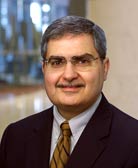 Find out why from a Mayo Clinic specialist who helped develop the flu shot recommendations: Larry Baddour, M.D.
If you have heart disease, you should get an annual flu shot. That's the message put out by the American Heart Association and the American College of Cardiology. Studies have shown that death from the flu (influenza) is more common among people with cardiovascular disease than among people with any other chronic condition. Doctors have long recommended that older adults and other high-risk groups get flu shots, but are now placing more emphasis on the importance of flu shots for those with heart disease. The flu shot could prevent thousands of flu-related complications and deaths every year in people who have heart disease.
Larry Baddour, M.D., an infectious diseases specialist at Mayo Clinic and professor of medicine at Mayo Clinic College of Medicine, was on a joint American Heart Association and American College of Cardiology advisory panel that developed the recent recommendation. He shares his insight about the group's recommendation.
Why are flu shots important for those with heart disease?
According to the Centers for Disease Control and Prevention (CDC), the flu is estimated to cause more than 36,000 deaths annually in the United States. In addition, it sends 225,000 people to the hospital. The rate of flu-related complications is even higher for people with heart disease.
If you have heart disease, you are at increased risk of complications from the flu — including pneumonia, respiratory failure, heart attack and death. Having the flu can also cause dehydration and worsen heart failure, diabetes or asthma.
Most scientific evidence indicates that flu shots are associated with a reduced risk of cardiovascular events — such as heart attack — in people with known cardiovascular disease.
Is it safe to get a flu shot if I have heart disease?
Flu shots are safe for most people who have heart disease. Get your flu vaccine injected by needle, usually in the arm. Some people develop mild arm soreness at the injection site. The flu vaccine that is given by nasal spray isn't recommended for people with heart disease because it's made with live virus that can trigger flu symptoms in people with heart disease.
When should I get a flu shot?
If you have heart disease, get the flu shot each fall when it becomes available, usually late September through November. However, if flu shots are still available and you haven't yet received a vaccination, you'd still benefit from getting a flu shot in January or later. That's because the flu season doesn't typically peak until January, February or March.
Do I have to get a flu shot from my cardiologist?
MORE- Mayo Clinic

Flu shots are recommended for anyone with heart disease.
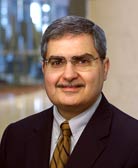 Find out why from a Mayo Clinic specialist who helped develop the flu shot recommendations: Larry Baddour, M.D.
If you have heart disease, you should get an annual flu shot. That's the message put out by the American Heart Association and the American College of Cardiology. Studies have shown that death from the flu (influenza) is more common among people with cardiovascular disease than among people with any other chronic condition. Doctors have long recommended that older adults and other high-risk groups get flu shots, but are now placing more emphasis on the importance of flu shots for those with heart disease. The flu shot could prevent thousands of flu-related complications and deaths every year in people who have heart disease.
Larry Baddour, M.D., an infectious diseases specialist at Mayo Clinic and professor of medicine at Mayo Clinic College of Medicine, was on a joint American Heart Association and American College of Cardiology advisory panel that developed the recent recommendation. He shares his insight about the group's recommendation.
Why are flu shots important for those with heart disease?
According to the Centers for Disease Control and Prevention (CDC), the flu is estimated to cause more than 36,000 deaths annually in the United States. In addition, it sends 225,000 people to the hospital. The rate of flu-related complications is even higher for people with heart disease.
If you have heart disease, you are at increased risk of complications from the flu — including pneumonia, respiratory failure, heart attack and death. Having the flu can also cause dehydration and worsen heart failure, diabetes or asthma.
Most scientific evidence indicates that flu shots are associated with a reduced risk of cardiovascular events — such as heart attack — in people with known cardiovascular disease.
Is it safe to get a flu shot if I have heart disease?
Flu shots are safe for most people who have heart disease. Get your flu vaccine injected by needle, usually in the arm. Some people develop mild arm soreness at the injection site. The flu vaccine that is given by nasal spray isn't recommended for people with heart disease because it's made with live virus that can trigger flu symptoms in people with heart disease.
When should I get a flu shot?
If you have heart disease, get the flu shot each fall when it becomes available, usually late September through November. However, if flu shots are still available and you haven't yet received a vaccination, you'd still benefit from getting a flu shot in January or later. That's because the flu season doesn't typically peak until January, February or March.
Do I have to get a flu shot from my cardiologist?
MORE- Mayo Clinic