 |
Stroke Weekly News: 726 headlines |
|
|||||||||||||

 A pregnant mother..a baby..faith of a husband.. .plus... Cardiac Standstill: cooling the patient to 15 degrees Centigrade!
| Executive Editor..Anne Merete Robbs CEO..............Stan Swartz |
||||
 |
||||
|
||||
| 4 TALES OF NEUROSURGERY & A PIANO CONCERT BY DR. SPETZLER... Plus 2 books written by Survivors for Survivors! |
||||
 |
||||
| Robert F. Spetzler M.D. Director, Barrow Neurological Institute J.N. Harber Chairman of Neurological Surgery Professor Section of Neurosurgery University of Arizona |
||||
| TALES OF NEUROSURGERY: | ||||
A pregnant mother..a baby..faith of a husband.. .plus... Cardiac Standstill: cooling the patient to 15 degrees Centigrade! |
||||
| Lou Grubb Anurism |
||||
| The young Heros - kids who are confronted with significant medical problems! |
||||
| 2 Patients...confronted with enormous decisions before their surgery...wrote these books to help others! |
||||
| A 1 MINUTE PIANO CONCERT BY DR. SPETZLER |
||||
| Sources used by our Heart & Stroke News Research Team: | ||||
| The New York Times, CNN, FOX, CBS, BBC, Mayo Clinic, Johns Hopkins Medicine, UCLA Medical Center, National Institute of Health, Stanford Hospital, Memorial Sloan- Kettering, Yale Cancer Center, Massachusetts General Hospital, Brigham and Women's Hospital, University of Michigan, M. D. Anderson Cancer Center, National Institute of Health, American Cancer Association, NBC, Reuters News, American College of Cardiology, Journal of the American Medical Association & 100's more | ||||
| Links | ||||
|
||||
| Archives | ||||
| January 2005 | ||||
| February 2005 | ||||
| March 2005 | ||||
| April 2005 | ||||
| May 2005 | ||||
| June 2005 | ||||
| July 2005 | ||||
| August 2005 | ||||
| September 2005 | ||||
| October 2005 | ||||
| November 2005 | ||||
| December 2005 | ||||
| January 2006 | ||||
| February 2006 | ||||
| March 2006 | ||||
| April 2006 | ||||
| May 2006 | ||||
| June 2006 | ||||
| July 2006 | ||||
| August 2006 | ||||
| September 2006 | ||||
| October 2006 | ||||
| November 2006 | ||||
| December 2006 | ||||
| January 2007 | ||||
| February 2007 | ||||
| March 2007 | ||||
| June 2007 | ||||
| April 2008 | ||||
| May 2008 | ||||
| January 2009 | ||||
| January 2014 |


Tuesday
Flu shots: Important for people with heart disease - Mayo Clinic
Flu shots are recommended for anyone with heart disease.
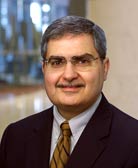 Find out why from a Mayo Clinic specialist who helped develop the flu shot recommendations: Larry Baddour, M.D.
If you have heart disease, you should get an annual flu shot. That's the message put out by the American Heart Association and the American College of Cardiology. Studies have shown that death from the flu (influenza) is more common among people with cardiovascular disease than among people with any other chronic condition. Doctors have long recommended that older adults and other high-risk groups get flu shots, but are now placing more emphasis on the importance of flu shots for those with heart disease. The flu shot could prevent thousands of flu-related complications and deaths every year in people who have heart disease.
Larry Baddour, M.D., an infectious diseases specialist at Mayo Clinic and professor of medicine at Mayo Clinic College of Medicine, was on a joint American Heart Association and American College of Cardiology advisory panel that developed the recent recommendation. He shares his insight about the group's recommendation.
Why are flu shots important for those with heart disease?
According to the Centers for Disease Control and Prevention (CDC), the flu is estimated to cause more than 36,000 deaths annually in the United States. In addition, it sends 225,000 people to the hospital. The rate of flu-related complications is even higher for people with heart disease.
If you have heart disease, you are at increased risk of complications from the flu — including pneumonia, respiratory failure, heart attack and death. Having the flu can also cause dehydration and worsen heart failure, diabetes or asthma.
Most scientific evidence indicates that flu shots are associated with a reduced risk of cardiovascular events — such as heart attack — in people with known cardiovascular disease.
Is it safe to get a flu shot if I have heart disease?
Flu shots are safe for most people who have heart disease. Get your flu vaccine injected by needle, usually in the arm. Some people develop mild arm soreness at the injection site. The flu vaccine that is given by nasal spray isn't recommended for people with heart disease because it's made with live virus that can trigger flu symptoms in people with heart disease.
When should I get a flu shot?
If you have heart disease, get the flu shot each fall when it becomes available, usually late September through November. However, if flu shots are still available and you haven't yet received a vaccination, you'd still benefit from getting a flu shot in January or later. That's because the flu season doesn't typically peak until January, February or March.
Do I have to get a flu shot from my cardiologist?
MORE- Mayo Clinic

Flu shots are recommended for anyone with heart disease.
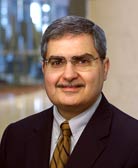 Find out why from a Mayo Clinic specialist who helped develop the flu shot recommendations: Larry Baddour, M.D.
If you have heart disease, you should get an annual flu shot. That's the message put out by the American Heart Association and the American College of Cardiology. Studies have shown that death from the flu (influenza) is more common among people with cardiovascular disease than among people with any other chronic condition. Doctors have long recommended that older adults and other high-risk groups get flu shots, but are now placing more emphasis on the importance of flu shots for those with heart disease. The flu shot could prevent thousands of flu-related complications and deaths every year in people who have heart disease.
Larry Baddour, M.D., an infectious diseases specialist at Mayo Clinic and professor of medicine at Mayo Clinic College of Medicine, was on a joint American Heart Association and American College of Cardiology advisory panel that developed the recent recommendation. He shares his insight about the group's recommendation.
Why are flu shots important for those with heart disease?
According to the Centers for Disease Control and Prevention (CDC), the flu is estimated to cause more than 36,000 deaths annually in the United States. In addition, it sends 225,000 people to the hospital. The rate of flu-related complications is even higher for people with heart disease.
If you have heart disease, you are at increased risk of complications from the flu — including pneumonia, respiratory failure, heart attack and death. Having the flu can also cause dehydration and worsen heart failure, diabetes or asthma.
Most scientific evidence indicates that flu shots are associated with a reduced risk of cardiovascular events — such as heart attack — in people with known cardiovascular disease.
Is it safe to get a flu shot if I have heart disease?
Flu shots are safe for most people who have heart disease. Get your flu vaccine injected by needle, usually in the arm. Some people develop mild arm soreness at the injection site. The flu vaccine that is given by nasal spray isn't recommended for people with heart disease because it's made with live virus that can trigger flu symptoms in people with heart disease.
When should I get a flu shot?
If you have heart disease, get the flu shot each fall when it becomes available, usually late September through November. However, if flu shots are still available and you haven't yet received a vaccination, you'd still benefit from getting a flu shot in January or later. That's because the flu season doesn't typically peak until January, February or March.
Do I have to get a flu shot from my cardiologist?
MORE- Mayo Clinic
Wednesday
Harvard Medical School: 10 steps to lower your blood pressure
High blood pressure isn’t usually something that can be cured. Like an in-law who comes to stay for good, it’s something most people need to learn to live with. Drugs offer an easy fix, but most also cause unwanted side effects. Making healthful lifestyle changes is harder, but it yields benefits far beyond better blood pressure. That’s why it makes sense to start with these, and add medications only if needed. Here are 10 steps that can help you lower your blood pressure and keep it under control.
1. Check it. You can’t do much about your blood pressure unless you know what it is. Your doctor should check it at every visit. Measuring it at home is even better. Relatively inexpensive home monitors are available in most pharmacies.
2. Get moving. Regular exercise, even something as simple as brisk walking, improves blood vessel flexibility and heart function. It can lower blood pressure by 10 points, prevent the onset of high blood pressure, or let you reduce your dosage of blood pressure medications.
3. Eat right. A landmark study called Dietary Approaches to Stop Hypertension (DASH) showed that you can eat your way to better blood pressure. The DASH diet emphasizes fruits, vegetables, low-fat dairy products, whole grains, poultry, fish, and nuts, and downplays red meat, sweets, sugar-containing beverages, and saturated fat and cholesterol.
4. Control your weight. If you are carrying too many pounds for your frame, losing weight can lower your blood pressure. You don’t need to become rail-thin — losing 10% of your current weight, or even 10 pounds, can make a big difference.
5. Don’t smoke. Nicotine constricts small blood vessels. Smoking a cigarette can cause a 20-point spike in systolic blood pressure. Quitting is tough, but there are now more aids to help.
6. Drink alcohol in moderation. A drink a day for women and one or two a day for men is good for the heart and blood vessels. Going beyond that can contribute to higher blood pressure.
7. Shake up your salts. Too much sodium and too little potassium boost blood pressure in people who are sensitive to salt. The imbalance is so great that the American Medical Association is calling for food makers and restaurants to cut the sodium content of food by 50% by 2016. Aim for less than 1.5 grams of sodium a day, and at least 4.7 grams of potassium.
8. Sleep is good. Burning the candle at both ends night after night can contribute to high blood pressure, not to mention increase the chances of developing heart disease or a sudden cardiac arrest. How much sleep is enough? At least six hours a night, though eight hours is probably more like it for most people.
9. Reduce stress. As surely as mental and emotional stress can raise blood pressure, meditation, deep breathing, and other stress-busting activities can lower it.
10. Stick with your medications. Taking pills to keep your blood pressure in check won’t make you feel any different. But it can keep you from having a stroke, heart attack, or other problem.
Dozens of drugs are available for lowering blood pressure. They come in a range of regimens (once a day to several times a day) and costs, and have a range of effects on other conditions, interactions with other drugs, and potential side effects.
Which drug is best for treating high blood pressure is one of the major controversies in medicine today. Current guidelines as of 2006 say that the first choice should be an inexpensive diuretic (water pill). Some experts argue that an ACE inhibitor or a calcium-channel blocker is a better place to start. In reality, what’s best for you isn’t necessarily right for someone else. Most people need more than one medication to get their blood pressure under control, and one of these should probably be a diuretic.
High blood pressure, like almost everything else in medicine, is a highly personal condition. Preventing it, and keeping it from doing you harm, requires careful, individualized evaluation from your doctor and focused commitment on your part.
High blood pressure isn’t usually something that can be cured. Like an in-law who comes to stay for good, it’s something most people need to learn to live with. Drugs offer an easy fix, but most also cause unwanted side effects. Making healthful lifestyle changes is harder, but it yields benefits far beyond better blood pressure. That’s why it makes sense to start with these, and add medications only if needed. Here are 10 steps that can help you lower your blood pressure and keep it under control.
1. Check it. You can’t do much about your blood pressure unless you know what it is. Your doctor should check it at every visit. Measuring it at home is even better. Relatively inexpensive home monitors are available in most pharmacies.
2. Get moving. Regular exercise, even something as simple as brisk walking, improves blood vessel flexibility and heart function. It can lower blood pressure by 10 points, prevent the onset of high blood pressure, or let you reduce your dosage of blood pressure medications.
3. Eat right. A landmark study called Dietary Approaches to Stop Hypertension (DASH) showed that you can eat your way to better blood pressure. The DASH diet emphasizes fruits, vegetables, low-fat dairy products, whole grains, poultry, fish, and nuts, and downplays red meat, sweets, sugar-containing beverages, and saturated fat and cholesterol.
4. Control your weight. If you are carrying too many pounds for your frame, losing weight can lower your blood pressure. You don’t need to become rail-thin — losing 10% of your current weight, or even 10 pounds, can make a big difference.
5. Don’t smoke. Nicotine constricts small blood vessels. Smoking a cigarette can cause a 20-point spike in systolic blood pressure. Quitting is tough, but there are now more aids to help.
6. Drink alcohol in moderation. A drink a day for women and one or two a day for men is good for the heart and blood vessels. Going beyond that can contribute to higher blood pressure.
7. Shake up your salts. Too much sodium and too little potassium boost blood pressure in people who are sensitive to salt. The imbalance is so great that the American Medical Association is calling for food makers and restaurants to cut the sodium content of food by 50% by 2016. Aim for less than 1.5 grams of sodium a day, and at least 4.7 grams of potassium.
8. Sleep is good. Burning the candle at both ends night after night can contribute to high blood pressure, not to mention increase the chances of developing heart disease or a sudden cardiac arrest. How much sleep is enough? At least six hours a night, though eight hours is probably more like it for most people.
9. Reduce stress. As surely as mental and emotional stress can raise blood pressure, meditation, deep breathing, and other stress-busting activities can lower it.
10. Stick with your medications. Taking pills to keep your blood pressure in check won’t make you feel any different. But it can keep you from having a stroke, heart attack, or other problem.
Dozens of drugs are available for lowering blood pressure. They come in a range of regimens (once a day to several times a day) and costs, and have a range of effects on other conditions, interactions with other drugs, and potential side effects.
Which drug is best for treating high blood pressure is one of the major controversies in medicine today. Current guidelines as of 2006 say that the first choice should be an inexpensive diuretic (water pill). Some experts argue that an ACE inhibitor or a calcium-channel blocker is a better place to start. In reality, what’s best for you isn’t necessarily right for someone else. Most people need more than one medication to get their blood pressure under control, and one of these should probably be a diuretic.
High blood pressure, like almost everything else in medicine, is a highly personal condition. Preventing it, and keeping it from doing you harm, requires careful, individualized evaluation from your doctor and focused commitment on your part.
Monday
Body Mass Index faulted as tool to gauge heart risk
....And now some researchers from the Mayo Clinic are saying the BMI is just too blunt to be trusted. A study found that patients with a low BMI had a higher risk of death from heart disease than those with normal BMI, according to the research published in the Aug. 19 issue of The Lancet. At the same time, overweight patients had better survival rates and fewer heart problems than those with a normal BMI.
Where does BMI fall apart? First, it was never meant to do anything more than screen a large population, and it's used primarily because it's easy and cheap. But doctors often employ it to measure bone-mineral density and heart-attack risk.
There's a growing sentiment that this is a mistake. A recent study in the Journal of Clinical Densitometry found that weight alone is a much better predictor of bone-mineral density than BMI.
And when it comes to heart-
attack risk, your waist-to-hip ratio, which measures fat distribution, also tells doctors more than BMI, according to Italian researcher Maria Grazia Franzosi. (People with more weight around their waist are at greater risk of heart disease and diabetes than those with weight around their hips.)
Also, BMI can't differentiate between body fat and muscle mass, so highly trained athletes can have a high BMI and not be overweight. The most extreme example is that, in his prime, as Mr. Universe, Arnold Schwarz-
enegger's BMI was 33. That qualifies as obese.....MORE... Body Mass Index faulted as tool to gauge heart risk
....And now some researchers from the Mayo Clinic are saying the BMI is just too blunt to be trusted. A study found that patients with a low BMI had a higher risk of death from heart disease than those with normal BMI, according to the research published in the Aug. 19 issue of The Lancet. At the same time, overweight patients had better survival rates and fewer heart problems than those with a normal BMI.
Where does BMI fall apart? First, it was never meant to do anything more than screen a large population, and it's used primarily because it's easy and cheap. But doctors often employ it to measure bone-mineral density and heart-attack risk.
There's a growing sentiment that this is a mistake. A recent study in the Journal of Clinical Densitometry found that weight alone is a much better predictor of bone-mineral density than BMI.
And when it comes to heart-
attack risk, your waist-to-hip ratio, which measures fat distribution, also tells doctors more than BMI, according to Italian researcher Maria Grazia Franzosi. (People with more weight around their waist are at greater risk of heart disease and diabetes than those with weight around their hips.)
Also, BMI can't differentiate between body fat and muscle mass, so highly trained athletes can have a high BMI and not be overweight. The most extreme example is that, in his prime, as Mr. Universe, Arnold Schwarz-
enegger's BMI was 33. That qualifies as obese.....MORE... Body Mass Index faulted as tool to gauge heart risk

A darker cloud over smokers: MORE BAD NEWSl
Lung cancer. Heart disease. Stroke. Premature infants. Just when you think the news about smoking and health can't get any worse, it gets a little worse.
Researchers in Denmark have found that the lifetime risk of developing a chronic obstructive pulmonary disease, such as bronchitis or emphysema, is significantly higher than was previously thought. ....MORE
Thursday
Two scientific reviews of the health effects of dietary fish
Two scientific reviews of the health effects of dietary fish intake probably made bigger splashes than expected by being released on the same day.
Earlier this week, the Institute of Medicine (IOM) released Seafood Choices: Balancing Benefits and Risks, its summary of current knowledge on the health benefits of eating fish and the potential risks from contaminants such as methylmercury, dioxins, and polychlorinated biphenyls (PCBs) [1]. The same day, a literature review on much the same topic was published by the Journal of the American Medical Association [2].
Both documents offer positive messages about the health effects of the n-3 polyunsaturated fatty acids (PUFAs) eicosapentaenoic acid (EPA) and docosahexaenoic acid (DHA) abundant in fish and other seafood. The IOM report arrives at no firm conclusions about whether the regular consumption of fish will prevent disease. The JAMA report's authors, however, appear certain that its health benefits outweigh any risks.
As covered by heartwire earlier this week, Dr Dariush Mozaffarian (Harvard School of Public Health, Boston, MA) and Dr Eric B Rimm (Brigham and Women's Hospital, Boston, MA) found that intake of EPA and DHA equivalent to one or two servings of fish per week was associated with a 36% decrease in the risk of death from coronary heart disease (p<0.001) and a 17% drop in total mortality (p=0.046). They also concluded that the n-3 PUFAs are likely important to early brain development. Those benefits far outweigh any risks from contaminants, they write.
"Avoidance of modest fish consumption due to confusion regarding risks and benefits could result in thousands of excess CHD deaths annually and suboptimal neurodevelopment in children," they write.
The IOM report's dietary recommendations are more circumspect and less concrete. The document "confirms that eating fish and shellfish may reduce people's overall risk for developing heart disease," according to a press release from the organization [3]. "It is not certain whether this is because substituting the lean protein of seafood for fatty cuts of meat reduces consumers' intake of saturated fat and cholesterol or because of the protective effects of omega-3 fatty acids. . . . The report also found evidence that maternal consumption of omega-3 fatty acids through seafood can contribute to vision and cognitive development in infants and lengthen the duration of gestation."
The report acknowledges potential risks from methylmercury, dioxins, and PCBs but notes, according to the IOM statement, that "reliable data on the distribution of some contaminants is lacking, and there is little evidence on how beneficial effects of seafood might counteract some of the risks from contaminants."
Both reports include caveats about contaminant exposure and fish intake for special populations, particularly women of childbearing age or who are nursing, and cautions for people who fish and eat their own catch from potentially polluted inland waters.
More than 400 pages long and designed to help the US government communicate these issues to the public, the IOM report is noteworthy for observing how little is actually known about either the benefits or the risks of consuming fish and for identifying knowledge gaps that can help guide future research. The IOM, an arm of the National Academy of Sciences (NAS), a nonprofit corporation, describes itself as "an adviser to the federal government on issues of medical care, research, and education."
The differences and similarities of the IOM and JAMA....
Two scientific reviews of the health effects of dietary fish intake probably made bigger splashes than expected by being released on the same day.
Earlier this week, the Institute of Medicine (IOM) released Seafood Choices: Balancing Benefits and Risks, its summary of current knowledge on the health benefits of eating fish and the potential risks from contaminants such as methylmercury, dioxins, and polychlorinated biphenyls (PCBs) [1]. The same day, a literature review on much the same topic was published by the Journal of the American Medical Association [2].
Both documents offer positive messages about the health effects of the n-3 polyunsaturated fatty acids (PUFAs) eicosapentaenoic acid (EPA) and docosahexaenoic acid (DHA) abundant in fish and other seafood. The IOM report arrives at no firm conclusions about whether the regular consumption of fish will prevent disease. The JAMA report's authors, however, appear certain that its health benefits outweigh any risks.
As covered by heartwire earlier this week, Dr Dariush Mozaffarian (Harvard School of Public Health, Boston, MA) and Dr Eric B Rimm (Brigham and Women's Hospital, Boston, MA) found that intake of EPA and DHA equivalent to one or two servings of fish per week was associated with a 36% decrease in the risk of death from coronary heart disease (p<0.001) and a 17% drop in total mortality (p=0.046). They also concluded that the n-3 PUFAs are likely important to early brain development. Those benefits far outweigh any risks from contaminants, they write.
"Avoidance of modest fish consumption due to confusion regarding risks and benefits could result in thousands of excess CHD deaths annually and suboptimal neurodevelopment in children," they write.
The IOM report's dietary recommendations are more circumspect and less concrete. The document "confirms that eating fish and shellfish may reduce people's overall risk for developing heart disease," according to a press release from the organization [3]. "It is not certain whether this is because substituting the lean protein of seafood for fatty cuts of meat reduces consumers' intake of saturated fat and cholesterol or because of the protective effects of omega-3 fatty acids. . . . The report also found evidence that maternal consumption of omega-3 fatty acids through seafood can contribute to vision and cognitive development in infants and lengthen the duration of gestation."
The report acknowledges potential risks from methylmercury, dioxins, and PCBs but notes, according to the IOM statement, that "reliable data on the distribution of some contaminants is lacking, and there is little evidence on how beneficial effects of seafood might counteract some of the risks from contaminants."
Both reports include caveats about contaminant exposure and fish intake for special populations, particularly women of childbearing age or who are nursing, and cautions for people who fish and eat their own catch from potentially polluted inland waters.
More than 400 pages long and designed to help the US government communicate these issues to the public, the IOM report is noteworthy for observing how little is actually known about either the benefits or the risks of consuming fish and for identifying knowledge gaps that can help guide future research. The IOM, an arm of the National Academy of Sciences (NAS), a nonprofit corporation, describes itself as "an adviser to the federal government on issues of medical care, research, and education."
The differences and similarities of the IOM and JAMA....
Saturday

Decaf Coffee Questions Percolate, Study: Decaf Drinkers May Have Increased Heart Risks - CBS News (click for more):
"Caffeinated coffee may have an undeserved bad rap, suggests a new study that shows the decaffeinated variety may have harmful heart effects.
The study, presented at the annual meeting of the American Heart Association, showed that people who drank decaf had higher levels of a protein linked to heart disease risk compared with those who drank caffeinated coffee or no coffee.
But the differences were fairly small and there's probably no health threat from drinking a cup or two of any type of coffee a day, says researcher H. Robert Superko, MD, chairman of preventive cardiology at the Fuqua Heart Center in Atlanta.
The Coffee Debate
The research is the latest entry into a long line of scientific studies looking at whether coffee drinking can lead to heart disease, some of which suggested links and others of which concluded the brew causes no harm..."

FDA approves heart health claim for canola oil (click for more):
"The FDA has approved a qualified health claim on canola oil labels that states it supports heart health and reduces the risk of coronary heart disease due to its unsaturated fat content.
The heart healthy claim -also found on oils such as phytosterols, omega-3s and olive oil -is popular among nutraceutical companies because consumers are spending more on healthier foods. The U.S. Canola Oil Association petitioned to be able to make the claim in January in order to promote the benefits of canola oil.
'The claim may ... encourage food manufacturers and food service providers to substitute canola oil for other oils with less favorable nutritional profiles,' said USCA president John Haas, who added that he expects the availability of the claim to promote consumer health by informing them of a simple, affordable and convenient strategy to reduce heart disease risk.
Studies suggest canola oil is high in healthy unsaturated fats, free of cholesterol and trans fats, and has the lowest saturated fat content of any common edible oil. Because canola oil is low in LDL (bad) cholesterol, the labels will be allowed to say:
'Limited and not conclusive scientific evidence suggests that eating about 1 1/2 tablespoons (19 grams) of canola oil daily may reduce the risk of coronary heart disease due to the unsaturated fat content in canola oil. To achieve this possible benefit, canola oil is to replace a similar amount of saturated fat and not increase the total number of calories you eat in a day. One serving of this product contains (x) grams of canola oil.'
'There is ample scientific evidence to demonstrate these benefits from the unsaturated fats in canola oil,' Haas said. 'By using it in place of other common edible oils, consumers can increase their compliance with the latest dietary recommendations.'
However, insiders are worried about what the move may mean for the industry as a whole. Since the health claims promote all canola oils, some companies have wondered why they would invest in claims that increase the sales of their competitors. Also, canola oil, along with olive oil, was granted it's heart health claim by the FDA because of it's low level of unsaturated fats, and experts say this may spur industry representatives for other oils to petition for the claim because of their oils' similar properties..."

Study Says Aspirin Has A Gender Gap, Drug May Help Women Prevent Strokes, Men Heart Attacks - CBS News:
"It is a medical mystery that doctors find more and more intriguing: how drugs can have different effects on men and women. And the latest evidence indicates that aspirin may be a startling example.
CBS News correspondent Elizabeth Kaledin reports that a new study shows aspirin does a better job of protecting women from strokes than from heart disease. And it works altogether differently for men.
The latest research tracked 95,000 healthy patients with no prior heart problems. For women, an aspirin a day reduced the risk of stroke by 17 percent, with no effect on heart attack.
But for men, the benefits were reversed. A daily dose of aspirin cut the risk of heart attack by 32 percent, but had no effect on strokes.
Dr. Nieca Goldberg specializes in cardiac care for women at Lenox Hill Hospital and hopes this data will trigger similar studies in the future.
'I think that this is clearly the time that we need to look at other medications for gender related differences,' said Goldberg.
Aspirin is not alone in this area. Several other drugs have shown signs of reacting differently in women, including some anti-depressants, painkillers and even anesthesia.
No one knows for sure why these differences exist because there have not been enough studies to pinpoint the causes. But doctors have theorized that women's smaller size and higher body fat could be factors. Also, women tend to take more drugs than men, such as birth control.
For patients, the news is more food for thought. Ruth Oakes has been taking an aspirin a day to prevent heart disease for the past six years and is contemplating this latest twist.
'I think it's interesting that we discover more and more men and women are different in our responses to medication,' said Oakes. 'It does not surprise me about aspirin.'
Goldberg agrees and says much remains to be explored in the area of gender specific medicine.
'We don't even know if maybe women should be on lower dosages of medicines compared to men,' she said."
Friday
Antioxidant, polyphenol-rich Med diet could slash Alzheimer’s risk (click for more):
"The Med diet, rich in cereals, wine, fruits, nuts, legumes and whole grains, fish and olive oil, has been linked to longer life, less heart disease, and protection against some cancers. The diet's main nutritional components include beta-carotene, vitamin C, tocopherols, polyphenols, and essential minerals.
It is these antioxidants and polyphenols that appear to offer protection, suggest the researchers from Columbia University, and not to any impact on general cardiovascular health.
Although the mechanism of Alzheimer's is not clear, more support is gathering for the build-up of plaque from beta-amyloid deposits. The deposits are associated with an increase in brain cell damage and death from oxidative stress.
It is against the oxidative stress that the Mediterranean diet could offer protection.
The findings of Nikolaos Scarmeas and his colleagues, published on-line ahead of print in the Archives of Neurology (doi: 10.1001/archneur.63.12.noc60109), are based on results from a study of 194 Alzheimer disease (AD) cases (average age 82) and 1790 non-demented controls (average age 76). The controls had almost equal representation of White, Black and Hispanic subjects, while 59 per cent of the AD cases were Hispanic, 31 per cent Black and 9 per cent White.
Dietary assessment was performed by asking the subjects to complete a validated 61-item semi-quantitative food frequency questionnaire, while AD diagnosis took place in a university hospital setting.
After adjusting the results for possible confounding factors, such as age, education, BMI, smoking status, and ethnicity, the researchers reported that people with the highest adherence to a model Mediterranean diet were associated with a 60 per cent lower risk of Alzheimer's disease, compared to people with the lowest adherence to the diet..."
"The Med diet, rich in cereals, wine, fruits, nuts, legumes and whole grains, fish and olive oil, has been linked to longer life, less heart disease, and protection against some cancers. The diet's main nutritional components include beta-carotene, vitamin C, tocopherols, polyphenols, and essential minerals.
It is these antioxidants and polyphenols that appear to offer protection, suggest the researchers from Columbia University, and not to any impact on general cardiovascular health.
Although the mechanism of Alzheimer's is not clear, more support is gathering for the build-up of plaque from beta-amyloid deposits. The deposits are associated with an increase in brain cell damage and death from oxidative stress.
It is against the oxidative stress that the Mediterranean diet could offer protection.
The findings of Nikolaos Scarmeas and his colleagues, published on-line ahead of print in the Archives of Neurology (doi: 10.1001/archneur.63.12.noc60109), are based on results from a study of 194 Alzheimer disease (AD) cases (average age 82) and 1790 non-demented controls (average age 76). The controls had almost equal representation of White, Black and Hispanic subjects, while 59 per cent of the AD cases were Hispanic, 31 per cent Black and 9 per cent White.
Dietary assessment was performed by asking the subjects to complete a validated 61-item semi-quantitative food frequency questionnaire, while AD diagnosis took place in a university hospital setting.
After adjusting the results for possible confounding factors, such as age, education, BMI, smoking status, and ethnicity, the researchers reported that people with the highest adherence to a model Mediterranean diet were associated with a 60 per cent lower risk of Alzheimer's disease, compared to people with the lowest adherence to the diet..."
Coffee May Cut Diabetes Risk, Study: Lots Of It, Especially Decaf, Seems To Have That Effect - CBS News (click for more):
"A new study finds that drinking a lot of coffee, especially decaf, may help prevent diabetes.
On The Early Show Tuesday, medical correspondent Dr. Emily Senay elaborated on the possible good news for those who enjoy their cups of joe.
She reported that a new study in the Archives of Internal Medicine shows that coffee can reduce the risk of type 2 diabetes, the type that normally develops over time as a result of obesity as the body loses its ability to use insulin to regulate blood sugar.
The study looked at more than 28,000 post-menopausal women over an eleven-year period. They answered questions about their coffee consumption.
The study found that coffee seems to offer protection against type 2 diabetes, with decaf coffee providing the most protection. Compared to women who drank no coffee, Senay explained, women who drank more than six cups of any type of coffee per day were 22 percent less likely to be diagnosed with diabetes. Women who drank more than six cups of decaffeinated coffee daily had a 33 percent reduced risk.
Six cups a day is a lot of coffee, Senay observed. The American Heart Association recommends no more than one to two cups of caffeinated coffee per day. There are no specific recommendations for decaf coffee.
More research is needed to see whether coffee might play a role in diabetes prevention, Senay says. Regular exercise, good diet and a regular checkup with the doctor are the best ways to prevent diabetes, she adds..."
"A new study finds that drinking a lot of coffee, especially decaf, may help prevent diabetes.
On The Early Show Tuesday, medical correspondent Dr. Emily Senay elaborated on the possible good news for those who enjoy their cups of joe.
She reported that a new study in the Archives of Internal Medicine shows that coffee can reduce the risk of type 2 diabetes, the type that normally develops over time as a result of obesity as the body loses its ability to use insulin to regulate blood sugar.
The study looked at more than 28,000 post-menopausal women over an eleven-year period. They answered questions about their coffee consumption.
The study found that coffee seems to offer protection against type 2 diabetes, with decaf coffee providing the most protection. Compared to women who drank no coffee, Senay explained, women who drank more than six cups of any type of coffee per day were 22 percent less likely to be diagnosed with diabetes. Women who drank more than six cups of decaffeinated coffee daily had a 33 percent reduced risk.
Six cups a day is a lot of coffee, Senay observed. The American Heart Association recommends no more than one to two cups of caffeinated coffee per day. There are no specific recommendations for decaf coffee.
More research is needed to see whether coffee might play a role in diabetes prevention, Senay says. Regular exercise, good diet and a regular checkup with the doctor are the best ways to prevent diabetes, she adds..."
Exercise improves quality of life (click for more):
"The problem with the fatalistic outlook of 'why bother' is that it focuses on the wrong issue. The issue is not whether or not you're going to die, but rather how you're going to live.
If you choose to live a sedentary lifestyle, you are choosing to increase your risk of obesity, adult on-set diabetes, premature aging, bone mass loss and susceptibility to, heart disease and the gradual, continual loss of physical ability and vitality.
And while choosing to exercise and lead an active lifestyle is not a promise of immortality, it is a self-empowering choice that enriches the quality and dimension of your life.
Without movement you hasten the deterioration of your physical and mental wellbeing, but when you exercise you increase your energy, vitality and ability to live life to its fullest.
Studies reveal many benefits of exercise and the practical application of such research has many doctors prescribing exercise as a means of managing and averting many ailments.
Heart Disease: Exercise and diet have proven to reverse existing heart disease and play a decisive role in minimizing other heart disease risks factors such as high blood pressure, high cholesterol and obesity.
Stroke: Studies show that physical activity significantly lowers the risk of stroke. Because your activity reduces two of the biggest risk factors for stroke - high blood pressure and heart disease - you automatically reduce your risk of stroke as well when you exercise regularly..."
"The problem with the fatalistic outlook of 'why bother' is that it focuses on the wrong issue. The issue is not whether or not you're going to die, but rather how you're going to live.
If you choose to live a sedentary lifestyle, you are choosing to increase your risk of obesity, adult on-set diabetes, premature aging, bone mass loss and susceptibility to, heart disease and the gradual, continual loss of physical ability and vitality.
And while choosing to exercise and lead an active lifestyle is not a promise of immortality, it is a self-empowering choice that enriches the quality and dimension of your life.
Without movement you hasten the deterioration of your physical and mental wellbeing, but when you exercise you increase your energy, vitality and ability to live life to its fullest.
Studies reveal many benefits of exercise and the practical application of such research has many doctors prescribing exercise as a means of managing and averting many ailments.
Heart Disease: Exercise and diet have proven to reverse existing heart disease and play a decisive role in minimizing other heart disease risks factors such as high blood pressure, high cholesterol and obesity.
Stroke: Studies show that physical activity significantly lowers the risk of stroke. Because your activity reduces two of the biggest risk factors for stroke - high blood pressure and heart disease - you automatically reduce your risk of stroke as well when you exercise regularly..."
Sorting Out Statins, Wonder Drug? (Click for more): "They've been called wonder drugs, healing ailments from heart disease to Alzheimer's disease.
But who should be on a statin?
About 11 million Americans take cholesterol-lowering drugs known as statins, one of the nation's most widely-sold drugs. Some doctors say they're over-prescribed while others say they're not prescribed enough.
Elaine Overton's cholesterol was 260, so her doctor put her on Lipitor to lower her cholesterol.
'My cholesterol dropped about 100 points in about six weeks' time really remarkable,'Overton said.
Statins can lower cholesterol by 40 percent and prevent heart attacks. The newest research shows they also reduce the risk of a second stroke by 16 percent.
'If anything, they're under-prescribed,' said Dr. K. Michael Welch, neurologist in the Rosalind Franklin University of Medicine and Science in Chicago. 'They certainly have been under-prescribed for stroke.'
Current guidelines say that patients should use a statin if their cholesterol is higher than 190 or if they have other risk factors like heart disease. If they have diabetes, they should be on one even if their cholesterol is normal..."
But who should be on a statin?
About 11 million Americans take cholesterol-lowering drugs known as statins, one of the nation's most widely-sold drugs. Some doctors say they're over-prescribed while others say they're not prescribed enough.
Elaine Overton's cholesterol was 260, so her doctor put her on Lipitor to lower her cholesterol.
'My cholesterol dropped about 100 points in about six weeks' time really remarkable,'Overton said.
Statins can lower cholesterol by 40 percent and prevent heart attacks. The newest research shows they also reduce the risk of a second stroke by 16 percent.
'If anything, they're under-prescribed,' said Dr. K. Michael Welch, neurologist in the Rosalind Franklin University of Medicine and Science in Chicago. 'They certainly have been under-prescribed for stroke.'
Current guidelines say that patients should use a statin if their cholesterol is higher than 190 or if they have other risk factors like heart disease. If they have diabetes, they should be on one even if their cholesterol is normal..."
Chewin' the fat...All about good, bad cholesterol (Click for more):
"The word cholesterol may sound harmless. After all, one dictionary defines it simply as a white substance found in animal tissue. In truth, cholesterol can be very dangerous and accounts for a growing number of heart disease cases in the United States, and it may be implicated in many of the 500,000 heart disease deaths here each year.That makes cholesterol a silent killer, said Dr. Elena Citkowitz, who runs the Cholesterol Management Center at the Hospital of St. Raphael in New Haven and is director of its Cardiac Rehabilitation Program.
Cholesterol is a fat that the body makes and it's important to the human make-up.
Of course, the public has become pretty savvy about the substance itself. We know there is a difference between the good cholesterol, or HDL, and the bad, or LDL.
Sadly, few people are doing enough to raise the good and lower the bad. They generally wait until their bad cholesterol levels are sky high and only then consider altering their diet as one possible corrective measure..."
"The word cholesterol may sound harmless. After all, one dictionary defines it simply as a white substance found in animal tissue. In truth, cholesterol can be very dangerous and accounts for a growing number of heart disease cases in the United States, and it may be implicated in many of the 500,000 heart disease deaths here each year.That makes cholesterol a silent killer, said Dr. Elena Citkowitz, who runs the Cholesterol Management Center at the Hospital of St. Raphael in New Haven and is director of its Cardiac Rehabilitation Program.
Cholesterol is a fat that the body makes and it's important to the human make-up.
Of course, the public has become pretty savvy about the substance itself. We know there is a difference between the good cholesterol, or HDL, and the bad, or LDL.
Sadly, few people are doing enough to raise the good and lower the bad. They generally wait until their bad cholesterol levels are sky high and only then consider altering their diet as one possible corrective measure..."
Study Questions Value of Lower Cholesterol Targets (Click for more):
"In recent years, some experts have recommended very low levels of LDL ('bad') cholesterol (70 milligrams/deciliter) for some high-risk patients, even if it means having to take multiple medications to achieve that goal, noted researchers at the University of Michigan Health System and VA Ann Arbor Healthcare System.
To determine the validity of this approach, the study authors reviewed research on LDL cholesterol and heart health. They said they found no scientific evidence to support the ultra-low LDL target.
The researchers concluded that it would be better to concentrate less on cholesterol and to get more people with multiple heart disease risk factors to take statin drugs -- regardless of the patients' cholesterol levels..."
"In recent years, some experts have recommended very low levels of LDL ('bad') cholesterol (70 milligrams/deciliter) for some high-risk patients, even if it means having to take multiple medications to achieve that goal, noted researchers at the University of Michigan Health System and VA Ann Arbor Healthcare System.
To determine the validity of this approach, the study authors reviewed research on LDL cholesterol and heart health. They said they found no scientific evidence to support the ultra-low LDL target.
The researchers concluded that it would be better to concentrate less on cholesterol and to get more people with multiple heart disease risk factors to take statin drugs -- regardless of the patients' cholesterol levels..."
Thursday
Plant Sterols Added to Orange Juice May Do the Heart Good - Plant sterols added to orange juice can significantly reduce markers of cardiovascular risk, researchers here reported.
Action Points
* Explain to interested patients that plant sterols can be found in small quantities in foods, such as fruits, vegetables, nuts, seeds, cereals and legumes, and have been added to some margarines and other spreads.
* The National Cholesterol Education Panel and the FDA both recommend dietary plant sterols or stanols as helpful in reducing LDL-cholesterols and possibly the risk of cardiovascular disease as well.
One gram of plant sterols added into reduced-calorie orange juice reduced C-reactive protein by 12% (P<0.005) and significantly improved cholesterol levels compared with plain low-calorie OJ, reported Sridevi Devaraj, Ph.D., of the University of California at Davis here, and colleagues, in the October issue of the American Journal of Clinical Nutrition.
Downing the supplemented juice twice daily significantly decreased total cholesterol by 5% (P<0.01) and reduced LDL cholesterol by 9.4% (P<0.001) compared with study participants' baseline levels and compared to placebo.
Likewise, HDL levels improved significantly compared with baseline (6% increase, P<0.02), though not with placebo, over the eight-week period....
Action Points
* Explain to interested patients that plant sterols can be found in small quantities in foods, such as fruits, vegetables, nuts, seeds, cereals and legumes, and have been added to some margarines and other spreads.
* The National Cholesterol Education Panel and the FDA both recommend dietary plant sterols or stanols as helpful in reducing LDL-cholesterols and possibly the risk of cardiovascular disease as well.
One gram of plant sterols added into reduced-calorie orange juice reduced C-reactive protein by 12% (P<0.005) and significantly improved cholesterol levels compared with plain low-calorie OJ, reported Sridevi Devaraj, Ph.D., of the University of California at Davis here, and colleagues, in the October issue of the American Journal of Clinical Nutrition.
Downing the supplemented juice twice daily significantly decreased total cholesterol by 5% (P<0.01) and reduced LDL cholesterol by 9.4% (P<0.001) compared with study participants' baseline levels and compared to placebo.
Likewise, HDL levels improved significantly compared with baseline (6% increase, P<0.02), though not with placebo, over the eight-week period....
Treadmill training helpful in stroke.../more at United Press International
WASHINGTON, Oct. 12 (UPI) -- Training with a treadmill and harness support is a promising approach to restoring gait function in people with post-stroke hemiparesis, says a U.S. review.
The researchers reviewed the literature for studies that quantified the immediate effects of adjusting body-weight support, treadmill speed, support stiffness and handrail hold during treadmill walking in hemiparetic and non-disabled subjects....
WASHINGTON, Oct. 12 (UPI) -- Training with a treadmill and harness support is a promising approach to restoring gait function in people with post-stroke hemiparesis, says a U.S. review.
The researchers reviewed the literature for studies that quantified the immediate effects of adjusting body-weight support, treadmill speed, support stiffness and handrail hold during treadmill walking in hemiparetic and non-disabled subjects....
Good, Bad Blood Cells: They Form Clots, Fight Inflammation
It's a case of miscommunication with catastrophic consequences.
Two human blood cells that help fight blood loss, infection, and inflammation are responsible as well for starting a series of molecular events that results in overproduction of Cox-2, an enzyme involved in heart attack, stroke, atherosclerosis, and other inflammatory diseases.
The finding by researchers at the University of Utah and University of South Carolina means scientists may be able to develop drugs to prevent or lessen the severity of inflammatory diseases, such as atherosclerosis and heart attack. Discovery of the signaling mechanism will be invaluable in sorting out the roles Cox-2 plays in those diseases, according to Guy A. Zimmerman, M.D., University of Utah School of Medicine professor of internal medicine, senior author of the study detailing the research.
"This discovery has immediate clinical relevance," said Zimmerman, director of the medical school's Program in Human Molecular Biology and Genetics. "This opens the potential of developing medications for both the prevention of long-term atherosclerosis (clogged arteries) and the acute events of heart attack."
It's a case of miscommunication with catastrophic consequences.
Two human blood cells that help fight blood loss, infection, and inflammation are responsible as well for starting a series of molecular events that results in overproduction of Cox-2, an enzyme involved in heart attack, stroke, atherosclerosis, and other inflammatory diseases.
The finding by researchers at the University of Utah and University of South Carolina means scientists may be able to develop drugs to prevent or lessen the severity of inflammatory diseases, such as atherosclerosis and heart attack. Discovery of the signaling mechanism will be invaluable in sorting out the roles Cox-2 plays in those diseases, according to Guy A. Zimmerman, M.D., University of Utah School of Medicine professor of internal medicine, senior author of the study detailing the research.
"This discovery has immediate clinical relevance," said Zimmerman, director of the medical school's Program in Human Molecular Biology and Genetics. "This opens the potential of developing medications for both the prevention of long-term atherosclerosis (clogged arteries) and the acute events of heart attack."
A possible link between psoriasis and heart-attack risk
ome of the same inflammation brought on by the immune system in the more severe form of psoriasis appears to put younger patients with the autoimmune disease at increased risk of a heart attack, according to a new study.
Researchers at the University of Pennsylvania School of Medicine found that younger patients with severe psoriasis had the highest relative risk of heart attack compared to people with only a mild form of the disease or patients without psoriasis.
Psoriasis is a common, lifelong inflammatory skin condition that affects about 4.5 million American adults, with about 150,000 new cases diagnosed each year. Although the condition typically appears in people in their 20s and 30s, it can develop at a younger age. When it does, the disease is likely to be more severe, with skin irritation and itching that affects more than 2 percent of the body.
About 20 percent of psoriasis patients have more severe and extensive involvement, and up to 30 percent also develop a related form of arthritis that causes joints to become inflamed.
Doctors have suspected that the inflammation may also extend to arteries, and several hospital-based studies have indicated that psoriasis is associated with a higher risk of cardiovascular disease and heart attack. But none of those studies took into account other risk factors for heart disease among the patients.
In the new study, published Wednesday in the Journal of the American Medical Association, Dr. Joel Gelfand, an assistant professor of dermatology at Penn and colleagues sought to evaluate the disease as a heart-risk factor in a large, general population....
ome of the same inflammation brought on by the immune system in the more severe form of psoriasis appears to put younger patients with the autoimmune disease at increased risk of a heart attack, according to a new study.
Researchers at the University of Pennsylvania School of Medicine found that younger patients with severe psoriasis had the highest relative risk of heart attack compared to people with only a mild form of the disease or patients without psoriasis.
Psoriasis is a common, lifelong inflammatory skin condition that affects about 4.5 million American adults, with about 150,000 new cases diagnosed each year. Although the condition typically appears in people in their 20s and 30s, it can develop at a younger age. When it does, the disease is likely to be more severe, with skin irritation and itching that affects more than 2 percent of the body.
About 20 percent of psoriasis patients have more severe and extensive involvement, and up to 30 percent also develop a related form of arthritis that causes joints to become inflamed.
Doctors have suspected that the inflammation may also extend to arteries, and several hospital-based studies have indicated that psoriasis is associated with a higher risk of cardiovascular disease and heart attack. But none of those studies took into account other risk factors for heart disease among the patients.
In the new study, published Wednesday in the Journal of the American Medical Association, Dr. Joel Gelfand, an assistant professor of dermatology at Penn and colleagues sought to evaluate the disease as a heart-risk factor in a large, general population....

'I was a stroke waiting to happen'
Just over six months ago, Roy Bates had a couple of mini strokes. Today the 68-year-old is mixing concrete and carrying on with the renovation work everyone thought he would never do again.....
Monday
E
Extended Release Niacin Reduces Cardiovascular Inflammatory Marker Lp-PLA2....Tufts-New England Medical Center
Niacin, in conjunction with statin therapy, reduces lipoprotein-associated phospholipase A2 (Lp-PLA2), an important new marker of inflammation associated with heart disease and stroke due to plaque rupture, according to a study published in the September 15, 2006, issue of The American Journal of Cardiology. The study, conducted at Tufts-New England Medical Center, evaluated 54 patients who were assigned either 1,000 mg daily extended release niacin or placebo, in addition to their existing drug regimen, primarily statins, ACE inhibitors, and aspirin.
The study shows that when extended release niacin was administered to stable heart disease patients for three months, Lp-PLA2 levels were reduced by 20 percent (p<0.05), while low-density lipoprotein (LDL) remained unchanged. Lp-PLA2 levels were measured by the PLAC test from diaDexus. The PLAC test is a simple blood test that measures the concentration of the enzyme Lp-PLA2, identifying people at high risk for heart disease and stroke associated with atherosclerosis, who may not be identified by traditional risk factors.
Niacin, in conjunction with statin therapy, reduces lipoprotein-associated phospholipase A2 (Lp-PLA2), an important new marker of inflammation associated with heart disease and stroke due to plaque rupture, according to a study published in the September 15, 2006, issue of The American Journal of Cardiology. The study, conducted at Tufts-New England Medical Center, evaluated 54 patients who were assigned either 1,000 mg daily extended release niacin or placebo, in addition to their existing drug regimen, primarily statins, ACE inhibitors, and aspirin.
The study shows that when extended release niacin was administered to stable heart disease patients for three months, Lp-PLA2 levels were reduced by 20 percent (p<0.05), while low-density lipoprotein (LDL) remained unchanged. Lp-PLA2 levels were measured by the PLAC test from diaDexus. The PLAC test is a simple blood test that measures the concentration of the enzyme Lp-PLA2, identifying people at high risk for heart disease and stroke associated with atherosclerosis, who may not be identified by traditional risk factors.
Friday
Thursday
In Europe It’s Fish Oil After Heart Attacks, but Not in U.S. - The New York Times (CLICK FOR MORE):
"Though routinely administered in Italy, prescription fish oil is not approved for use in heart patients in the U.S..."
"Though routinely administered in Italy, prescription fish oil is not approved for use in heart patients in the U.S..."
Prostate cancer treatment ups heart and diabetes risks:
"Hormone-suppressing therapy is not suitable for all cases of the disease, researcher says
A treatment for prostate cancer that blocks male hormone production is associated with increased risks for diabetes and heart disease -- and it's being used far more often than it should be, according to Boston researchers.
The Harvard Medical School group studied more than 73,000 men age 66 years and older who had been diagnosed with prostate cancer and followed for as long as 10 years.
More than 26,000 of the men had been treated with a drug called a gonadotropin-releasing hormone (GnRH) agonist. This form of 'chemical castration' blocks the production of male hormones that promote the growth of prostate tumours. But it has been associated with increased body fat and insulin resistance, a condition that increases the risk for developing diabetes.
Compared with men who were not given a GnRH agonist, the patients who did receive this treatment had a 44 per cent increased risk of developing diabetes, a 16 per cent increased risk of heart disease and heart-related sudden death and an 11 per cent increased risk of suffering a heart attack..."
"Hormone-suppressing therapy is not suitable for all cases of the disease, researcher says
A treatment for prostate cancer that blocks male hormone production is associated with increased risks for diabetes and heart disease -- and it's being used far more often than it should be, according to Boston researchers.
The Harvard Medical School group studied more than 73,000 men age 66 years and older who had been diagnosed with prostate cancer and followed for as long as 10 years.
More than 26,000 of the men had been treated with a drug called a gonadotropin-releasing hormone (GnRH) agonist. This form of 'chemical castration' blocks the production of male hormones that promote the growth of prostate tumours. But it has been associated with increased body fat and insulin resistance, a condition that increases the risk for developing diabetes.
Compared with men who were not given a GnRH agonist, the patients who did receive this treatment had a 44 per cent increased risk of developing diabetes, a 16 per cent increased risk of heart disease and heart-related sudden death and an 11 per cent increased risk of suffering a heart attack..."
3 steps to a healthier heart:
"Get out the tape measure.
People who carry weight in their midsections are at a higher risk for heart disease; now experts know just how much belly fat is bad. A recent study from McMaster University in Hamilton, Ontario, found that a waist-to-hip ratio greater than 0.85 increases your risk of cardiovascular disease (the bigger the tummy, the higher the risk). To figure out your ratio, divide your waist size by your hip size.
Fight fair.
Women who made hostile comments while quarreling with their husbands were more likely to have arteriosclerosis (hardening of the arteries) than wives who argued without being demeaning or spiteful, according to a new study from University of Utah on 150 long-married couples.
Be a good role model.
Your bad habits may put your children at risk later in life. If your mother has heart disease, you have a 43% greater chance of developing it; if your father has the disease, your risk is 17% higher, according to a new study. Surprisingly, lifestyle may have a bigger impact than genetics. So exercise, eat a healthy diet and don't smoke."
"Get out the tape measure.
People who carry weight in their midsections are at a higher risk for heart disease; now experts know just how much belly fat is bad. A recent study from McMaster University in Hamilton, Ontario, found that a waist-to-hip ratio greater than 0.85 increases your risk of cardiovascular disease (the bigger the tummy, the higher the risk). To figure out your ratio, divide your waist size by your hip size.
Fight fair.
Women who made hostile comments while quarreling with their husbands were more likely to have arteriosclerosis (hardening of the arteries) than wives who argued without being demeaning or spiteful, according to a new study from University of Utah on 150 long-married couples.
Be a good role model.
Your bad habits may put your children at risk later in life. If your mother has heart disease, you have a 43% greater chance of developing it; if your father has the disease, your risk is 17% higher, according to a new study. Surprisingly, lifestyle may have a bigger impact than genetics. So exercise, eat a healthy diet and don't smoke."
More Ways To Stay Young (CLICK FOR MORE):
"I've been telling you about some approaches to a longer and healthier life that are simple to do and that are fresh and unique. So here are some more of them based on the book 50 Simple Ways to Live a Longer Life: Everyday Techniques from the Forefront of Science (2006) by Suzanne Bohan and Glenn Thompson.
EAT A GOOD BREAKFAST.
You'll recall one recommendation is to skip meals on occasion, as according to one expert, that 'primes the cells to handle more severe kinds of stress.' But in implementing that recommendation, take into account another of the authors' recommendations - rise and dine, i.e., eat a hearty breakfast. If you need some evidence, the authors offer this: 'One study even found that skipping breakfast is as much of a risk factor for heart disease as smoking or not exercising.
If you need more to be persuaded, the authors offer this: 'A good breakfast can reduce the risk of heart disease, diabetes and cancer, while keeping your weight under control. It improves your mood and increases alertness. Yet roughly one-quarter of Americans start their day with out the powerful advantage of a good breakfast, according to a federal survey, and numerous studies indicate their performance at work or school suffers as a result.
A University of California (Berkeley) study found that breakfast eaters tended to be thinner than breakfast skippers. A Georgia study found that among the many traits centenarians reported were regularly eating breakfast.
Breakfast is a great opportunity for some the healthiest of foods and nutrients - whole grains, fiber, fruits, and important vitamins and minerals such as C, D, and calcium..."
"I've been telling you about some approaches to a longer and healthier life that are simple to do and that are fresh and unique. So here are some more of them based on the book 50 Simple Ways to Live a Longer Life: Everyday Techniques from the Forefront of Science (2006) by Suzanne Bohan and Glenn Thompson.
EAT A GOOD BREAKFAST.
You'll recall one recommendation is to skip meals on occasion, as according to one expert, that 'primes the cells to handle more severe kinds of stress.' But in implementing that recommendation, take into account another of the authors' recommendations - rise and dine, i.e., eat a hearty breakfast. If you need some evidence, the authors offer this: 'One study even found that skipping breakfast is as much of a risk factor for heart disease as smoking or not exercising.
If you need more to be persuaded, the authors offer this: 'A good breakfast can reduce the risk of heart disease, diabetes and cancer, while keeping your weight under control. It improves your mood and increases alertness. Yet roughly one-quarter of Americans start their day with out the powerful advantage of a good breakfast, according to a federal survey, and numerous studies indicate their performance at work or school suffers as a result.
A University of California (Berkeley) study found that breakfast eaters tended to be thinner than breakfast skippers. A Georgia study found that among the many traits centenarians reported were regularly eating breakfast.
Breakfast is a great opportunity for some the healthiest of foods and nutrients - whole grains, fiber, fruits, and important vitamins and minerals such as C, D, and calcium..."
Risk factors seen in young heart disease patients:
"Heart disease patients younger than 55 years of age can benefit substantially from cardiac rehabilitation and exercise training (CRET) programs, according to a report in Archives of Internal Medicine.
'Young coronary patients have a very abnormal risk profile, characterized by more obesity, (high cholesterol), and much higher psychological distress,' Dr. Carl J. Lavie from the Ochsner Medical Center in New Orleans told Reuters Health. 'All of these parameters, as well as many other aspects of the risk profile, markedly improve following formal CRET, including 50 to 80 percent reductions in the (rate) of these abnormal behavioral patterns.'
Lavie and Dr. Richard V. Milani investigated psychological and overall risk profiles in younger patients with heart disease, compared them with those of older patients (at least 70 years of age), and evaluated the effects of formal CRET programs in the younger patients following a heart attack or related event.
Compared with the older patients, the younger ones were more likely to be overweight and have higher cholesterol levels, but they had lower blood pressure, the authors report.
Younger patients also had higher scores for depression, hostility, and anxiety.
After CRET, young patients showed significant improvements in body weight, cholesterol levels, breathing, heart rate, and blood pressure, the results indicate.
Young patients also experienced marked improvements in anxiety, depression, hostility, and quality of life after CRET, the researchers note.
Elderly patients experienced similar, but less marked, improvements in most variables studied, the report indicates.
'These data support the importance of getting young patients following major cardiac events to be routinely referred to and vigorously encouraged to attend these CRET programs,' Lavie said.
'I believe that these data provide further support for the benefits of exercise training to improve overall psychological health,' Lavie added. 'We are currently evaluating the impact that these psychological factors have on mortality and whether this can be affected by reducing these adverse factors with CRET."
"Heart disease patients younger than 55 years of age can benefit substantially from cardiac rehabilitation and exercise training (CRET) programs, according to a report in Archives of Internal Medicine.
'Young coronary patients have a very abnormal risk profile, characterized by more obesity, (high cholesterol), and much higher psychological distress,' Dr. Carl J. Lavie from the Ochsner Medical Center in New Orleans told Reuters Health. 'All of these parameters, as well as many other aspects of the risk profile, markedly improve following formal CRET, including 50 to 80 percent reductions in the (rate) of these abnormal behavioral patterns.'
Lavie and Dr. Richard V. Milani investigated psychological and overall risk profiles in younger patients with heart disease, compared them with those of older patients (at least 70 years of age), and evaluated the effects of formal CRET programs in the younger patients following a heart attack or related event.
Compared with the older patients, the younger ones were more likely to be overweight and have higher cholesterol levels, but they had lower blood pressure, the authors report.
Younger patients also had higher scores for depression, hostility, and anxiety.
After CRET, young patients showed significant improvements in body weight, cholesterol levels, breathing, heart rate, and blood pressure, the results indicate.
Young patients also experienced marked improvements in anxiety, depression, hostility, and quality of life after CRET, the researchers note.
Elderly patients experienced similar, but less marked, improvements in most variables studied, the report indicates.
'These data support the importance of getting young patients following major cardiac events to be routinely referred to and vigorously encouraged to attend these CRET programs,' Lavie said.
'I believe that these data provide further support for the benefits of exercise training to improve overall psychological health,' Lavie added. 'We are currently evaluating the impact that these psychological factors have on mortality and whether this can be affected by reducing these adverse factors with CRET."
Fish Oil/Statin Combo Helps Heart - CBS News (CLICK FOR MORE):
"Taking cholesterol-lowering statin drugs with a fatty acid found in salmon, tuna, and herring can pack a one-two punch against heart disease, Japanese researchers report.
The fatty acid is called eicosapentaenoic acid (EPA). It's one of the disease-fighting omega-3 fatty acids.
In a study of more than 18,000 men and women, those who took high doses of EPA plus a cholesterol-lowering statin drug (either Zocor or Pravachol) were 19 percent less likely to suffer a variety of heart ailments, compared with those who took statins alone.
After 4.5 years, 2.8 percent of people taking the statin-EPA cocktail had adverse events vs. 3.5 percent in the statin-only group. The adverse events included sudden cardiac death, heart attacks, unstable angina, and the need to undergo procedures to reopen clogged arteries..."
"Taking cholesterol-lowering statin drugs with a fatty acid found in salmon, tuna, and herring can pack a one-two punch against heart disease, Japanese researchers report.
The fatty acid is called eicosapentaenoic acid (EPA). It's one of the disease-fighting omega-3 fatty acids.
In a study of more than 18,000 men and women, those who took high doses of EPA plus a cholesterol-lowering statin drug (either Zocor or Pravachol) were 19 percent less likely to suffer a variety of heart ailments, compared with those who took statins alone.
After 4.5 years, 2.8 percent of people taking the statin-EPA cocktail had adverse events vs. 3.5 percent in the statin-only group. The adverse events included sudden cardiac death, heart attacks, unstable angina, and the need to undergo procedures to reopen clogged arteries..."
Antioxidant-rich Pecans Can Protect Against Unhealthy Oxidation (CLICK FOR MORE):
"A new research study from Loma Linda University (LLU) shows that adding just a handful of pecans to your diet each day may inhibit unwanted oxidation of blood lipids, thus helping reduce the risk of heart disease. Researchers suggest that this positive effect was in part due to the pecan's significant content of vitamin E.
'Plant foods, including pecans, are rich sources of phytochemicals that can have a unique effect on the body,' says LLU researcher Ella Haddad, DrPH, associate professor, department of nutrition, School of Public Health.
Pecans contain different forms of vitamin E -- known as tocopherols -- which protects fats from oxidation. Pecans are especially rich in one form of vitamin E -- gamma tocopherol.
'We found that eating pecans increased levels of gamma tocopherol concentrations in the blood and subsequently reduced a marker of lipid oxidation,' adds Dr. Haddad.
Oxidation of fats in the blood -- a process akin to rusting -- is detrimental to health. When the 'bad' cholesterol becomes oxidized, it is more likely to build up and result in arteriosclerosis.
These latest research findings on pecan's healthfulness were published in the latest issue of Nutrition Research, just released this week. They are from the second phase of a research project designed to evaluate the health benefits of pecans, according to Dr. Haddad. She analyzed blood samples from study participants (a total of 23 men and women between the ages of 25 and 55) who ate two diets: one that contained pecans and one that did not. Participants were randomly placed on either the American Heart Association's Step I diet or a pecan-enriched version of the Step I diet. (The pecan-enriched diet was similar to the Step I diet but replaced 20 percent of calories with pecans). After four weeks on one diet, they then switched to the other diet..."
"A new research study from Loma Linda University (LLU) shows that adding just a handful of pecans to your diet each day may inhibit unwanted oxidation of blood lipids, thus helping reduce the risk of heart disease. Researchers suggest that this positive effect was in part due to the pecan's significant content of vitamin E.
'Plant foods, including pecans, are rich sources of phytochemicals that can have a unique effect on the body,' says LLU researcher Ella Haddad, DrPH, associate professor, department of nutrition, School of Public Health.
Pecans contain different forms of vitamin E -- known as tocopherols -- which protects fats from oxidation. Pecans are especially rich in one form of vitamin E -- gamma tocopherol.
'We found that eating pecans increased levels of gamma tocopherol concentrations in the blood and subsequently reduced a marker of lipid oxidation,' adds Dr. Haddad.
Oxidation of fats in the blood -- a process akin to rusting -- is detrimental to health. When the 'bad' cholesterol becomes oxidized, it is more likely to build up and result in arteriosclerosis.
These latest research findings on pecan's healthfulness were published in the latest issue of Nutrition Research, just released this week. They are from the second phase of a research project designed to evaluate the health benefits of pecans, according to Dr. Haddad. She analyzed blood samples from study participants (a total of 23 men and women between the ages of 25 and 55) who ate two diets: one that contained pecans and one that did not. Participants were randomly placed on either the American Heart Association's Step I diet or a pecan-enriched version of the Step I diet. (The pecan-enriched diet was similar to the Step I diet but replaced 20 percent of calories with pecans). After four weeks on one diet, they then switched to the other diet..."
Heart Attack Signs Vary - CBS News (CLICK FOR MORE):
"Both men and women can experience 'atypical' heart attack symptoms, as well as classic signs of a heart attack.
People need to know that so they seek emergency help immediately for those symptoms. But some patients may have mistaken beliefs about heart attack differences in men and women, say Jill Quinn and Kathleen King of the University of Rochester’s nursing school in New York.
Quinn, PhD, RN, CS-ANP, is an assistant professor specializing in cardiovascular nursing. King, PhD, RN, FAAN, is a professor with a focus on women and heart disease.
'Expectations that only women experience atypical symptoms can lead to confusion for both men and women, resulting in delay [of seeking treatment],' they told the Second International Conference on Women, Heart Disease, and Stroke, which is underway in Orlando, Fla.
Heart Attacks in Men vs. Women
Everyone needs to take care of his or her heart. Heart disease is a leading killer for both sexes. A heart attack is its most visible sign, says the American Heart Association (AHA). Last year, the AHA predicted that 700,000 people in America would have their first heart attack in 2004. Another 500,000 heart attack survivors were expected to have another heart attack last year..."
"Both men and women can experience 'atypical' heart attack symptoms, as well as classic signs of a heart attack.
People need to know that so they seek emergency help immediately for those symptoms. But some patients may have mistaken beliefs about heart attack differences in men and women, say Jill Quinn and Kathleen King of the University of Rochester’s nursing school in New York.
Quinn, PhD, RN, CS-ANP, is an assistant professor specializing in cardiovascular nursing. King, PhD, RN, FAAN, is a professor with a focus on women and heart disease.
'Expectations that only women experience atypical symptoms can lead to confusion for both men and women, resulting in delay [of seeking treatment],' they told the Second International Conference on Women, Heart Disease, and Stroke, which is underway in Orlando, Fla.
Heart Attacks in Men vs. Women
Everyone needs to take care of his or her heart. Heart disease is a leading killer for both sexes. A heart attack is its most visible sign, says the American Heart Association (AHA). Last year, the AHA predicted that 700,000 people in America would have their first heart attack in 2004. Another 500,000 heart attack survivors were expected to have another heart attack last year..."
25 Steps To Better Health , Report Lists Leading Preventive Health Services - CBS News (CLICK FOR MORE):
"The Partnership for Prevention has released a report listing the top 25 preventive health services.
The report, 'Priorities for America’s Health: Capitalizing on Life-Saving, Cost-Effective Preventive Strategies,' was funded by the CDC and the U.S. Department of Health and Human Services’ Agency for Healthcare Research and Quality (AHRQ).
'Currently, about 95 percent of health care dollars in the United States are spent on treating diseases, with relatively little attention paid to preventing diseases, which should be a national priority,” states former U.S. Surgeon General David Satcher, M.D., Ph.D., in a Partnership for Prevention news release.
'Basically, these are the preventive health services that offer the biggest bang for the buck,' says Satcher, who chaired the panel that drafted the list.
List of Top 25 Preventive Health Services
Here is the report's list of the top 25 preventive health services, along with the score assigned by the panel (with 10 being the highest score):..."
"The Partnership for Prevention has released a report listing the top 25 preventive health services.
The report, 'Priorities for America’s Health: Capitalizing on Life-Saving, Cost-Effective Preventive Strategies,' was funded by the CDC and the U.S. Department of Health and Human Services’ Agency for Healthcare Research and Quality (AHRQ).
'Currently, about 95 percent of health care dollars in the United States are spent on treating diseases, with relatively little attention paid to preventing diseases, which should be a national priority,” states former U.S. Surgeon General David Satcher, M.D., Ph.D., in a Partnership for Prevention news release.
'Basically, these are the preventive health services that offer the biggest bang for the buck,' says Satcher, who chaired the panel that drafted the list.
List of Top 25 Preventive Health Services
Here is the report's list of the top 25 preventive health services, along with the score assigned by the panel (with 10 being the highest score):..."
Tuesday
Double Jeopardy: Obese Smokers at Higher Risk of Death [click for more]People who are both very obese and who smoke increase their risk of death by 3.5 to 5 times that of people of normal weight who never smoke, finds a study in the November issue of the American Journal of Preventive Medicine.
According to the study, 20 percent of obese adults in the United States smoke, which puts them at a higher risk of death caused by cancer and circulatory disease. The authors further found that, in general, being a current smoker was a far stronger risk factor for cancer death than being obese.
“Smoking has been known as a very strong risk factor for many cancers, particularly lung cancer, which is the most common site of cancer death,” said lead author D. Michal Freedman, Ph.D., of the Division of Cancer Epidemiology and Genetics at the National Cancer Institute.
The study surveyed more than 80,000 current and former radiologic technologists between the ages of 22 and 92 who completed a self-administered questionnaire in the period from 1983 to 1989. They all were followed through December 2002 and the number of deaths was reported.
The questionnaire collected information such as birth date, height, weight and smoking behavior. Participants’ body mass indexes were calculated from their weight and height A BMI of 30 to 34.9 was considered obese, and more than 35 was very obese.
Smoking behaviors were categorized by duration, intensity and current status. Freedman and her colleagues analyzed a measure that included both cigarettes smoked per day and duration of smoking. They found, in general, that more smoking or “pack-years” was related to a higher risk of death.
Also, in both women and men of all ages, the risk of death from circulatory disease increased with each additional increment in the BMI. When participants were obese and also current smokers, their risk of death from circulatory disease jumped even higher to an increase of 6- to 11-fold for those under age 65, compared to the participants of normal weight who never smoked.
The study......
According to the study, 20 percent of obese adults in the United States smoke, which puts them at a higher risk of death caused by cancer and circulatory disease. The authors further found that, in general, being a current smoker was a far stronger risk factor for cancer death than being obese.
“Smoking has been known as a very strong risk factor for many cancers, particularly lung cancer, which is the most common site of cancer death,” said lead author D. Michal Freedman, Ph.D., of the Division of Cancer Epidemiology and Genetics at the National Cancer Institute.
The study surveyed more than 80,000 current and former radiologic technologists between the ages of 22 and 92 who completed a self-administered questionnaire in the period from 1983 to 1989. They all were followed through December 2002 and the number of deaths was reported.
The questionnaire collected information such as birth date, height, weight and smoking behavior. Participants’ body mass indexes were calculated from their weight and height A BMI of 30 to 34.9 was considered obese, and more than 35 was very obese.
Smoking behaviors were categorized by duration, intensity and current status. Freedman and her colleagues analyzed a measure that included both cigarettes smoked per day and duration of smoking. They found, in general, that more smoking or “pack-years” was related to a higher risk of death.
Also, in both women and men of all ages, the risk of death from circulatory disease increased with each additional increment in the BMI. When participants were obese and also current smokers, their risk of death from circulatory disease jumped even higher to an increase of 6- to 11-fold for those under age 65, compared to the participants of normal weight who never smoked.
The study......
Sunday
SignOnSanDiego.com > Latest scanning device finds heart disease, and controversy, quickly [CLICK 4 MORE]
"
Coming soon to a medical center near you: a much-anticipated but controversial X-ray machine that can detect heart disease in five seconds.
Although the 64-slice CT scanner can be used to see other parts of the body, its most talked-about ability is to detect blockages in coronary arteries.
Highly precise, 3-D images show if a patient's symptoms, such as chest pain, are caused by heart disease and require an invasive procedure such as catheterization to correct.
Cardiologists say that the machine is not as reliable for someone with previously treated heart disease. The better option in those cases is to go straight to catheterization, they advise.
Limitations aside, doctors rave about how quickly the scanner can rule out serious cardiac complications.
More than 1,000 of the machines have been installed worldwide since their rollout two years ago. They got a celebrity boost when Oprah Winfrey underwent a cardiac check with the device on her TV talk show last year.
“Ever since Oprah, I've been bombarded by physicians in other parts of the country (and) even from Japan, France and Saudi Arabia” who want their patients to be scanned, said Dr. John Hauschildt of Rady Children's Hospital in Kearny Mesa, the first facility in the county to get the 64-slice CT scanner.
The machine is not without its critics. Some cardiologists worry that it will be overused, exposing people who have no symptoms or risk factors for heart.....
"
Coming soon to a medical center near you: a much-anticipated but controversial X-ray machine that can detect heart disease in five seconds.
Although the 64-slice CT scanner can be used to see other parts of the body, its most talked-about ability is to detect blockages in coronary arteries.
Highly precise, 3-D images show if a patient's symptoms, such as chest pain, are caused by heart disease and require an invasive procedure such as catheterization to correct.
Cardiologists say that the machine is not as reliable for someone with previously treated heart disease. The better option in those cases is to go straight to catheterization, they advise.
Limitations aside, doctors rave about how quickly the scanner can rule out serious cardiac complications.
More than 1,000 of the machines have been installed worldwide since their rollout two years ago. They got a celebrity boost when Oprah Winfrey underwent a cardiac check with the device on her TV talk show last year.
“Ever since Oprah, I've been bombarded by physicians in other parts of the country (and) even from Japan, France and Saudi Arabia” who want their patients to be scanned, said Dr. John Hauschildt of Rady Children's Hospital in Kearny Mesa, the first facility in the county to get the 64-slice CT scanner.
The machine is not without its critics. Some cardiologists worry that it will be overused, exposing people who have no symptoms or risk factors for heart.....
Bayer says mistakenly failed to disclose drug data [MORE Reuters.com]
WASHINGTON (Reuters) - German drug maker Bayer AG "mistakenly" failed to inform U.S. regulators about a study on the risks of heart-surgery drug Trasylol before an advisory panel met and ruled the side effects were acceptable, the company said on Friday.
The Food and Drug Administration said the early findings from a new review of hospital records from 67,000 patients suggested Trasylol use may increase the chances of death, serious kidney damage, congestive heart failure and strokes.
The agency said it was reviewing the data to decide how they would impact current advice to limit Trasylol use to cases in which doctors believe reducing blood loss during bypass surgery is essential and outweighs possible risks.....